Quick answer
Exercise can support libido in menopause, but mostly indirectly, by improving mood, energy, sleep, body image, and blood flow rather than acting as a direct switch for desire. The strongest evidence sits on that indirect path: a large umbrella review found exercise meaningfully improves depression and anxiety symptoms, which are common drivers of low desire (Singh B 2023, PMID 36796860). If low libido is distressing you, exercise is a reasonable and useful part of the picture, though it is not a cure, and medical options exist.
Key takeaways
- Libido in menopause is multifactorial: falling oestrogen and testosterone, vaginal dryness, poor sleep, low mood, body image, and relationship or life stress all feed in.
- Exercise mostly helps libido indirectly, by lifting mood, energy, sleep, and body confidence, and by supporting blood flow.
- The clearest evidence is for the mood pathway; exercise improves depression and anxiety symptoms, which often sit underneath low desire (Singh B 2023, PMID 36796860).
- Pelvic floor training may support sexual function and sensation for some women, a plausible extension of its well-established role in continence rather than a firmly proven effect.
- Exercise is not a libido cure. If low desire is distressing, a GP or menopause specialist can discuss medical options including MHT, vaginal oestrogen, and in some cases testosterone.
At a glance
| Question | Short answer |
|---|---|
| Does exercise raise libido directly? | Rarely a direct switch; the effect is mostly indirect |
| What does it help with? | Mood, energy, sleep, body image, blood flow |
| Best-evidenced pathway? | Mood: exercise eases depression and anxiety (Singh B 2023, PMID 36796860) |
| Which exercise? | Strength, cardio, and pelvic floor work each play a role |
| Pelvic floor role? | Firmly established for continence; may plausibly support sexual function and sensation for some |
| Is it a cure? | No; it is one supportive piece |
| When to seek help? | If low desire distresses you, or dryness or pain is involved |
| Medical options? | MHT, vaginal oestrogen, sometimes testosterone, via a clinician |
Why libido changes in menopause
If your desire has shifted through perimenopause or after menopause, you are not imagining it and you are not alone. The reasons are layered, which is exactly why a single fix rarely works.
Hormones. Oestrogen and testosterone both decline across the transition. Oestrogen supports the health and lubrication of vaginal tissue, and testosterone, which women have in smaller amounts than men, is linked to desire in some research. As these fall, some women notice reduced desire, reduced arousal, or both.
Vaginal and physical changes. Lower oestrogen can lead to vaginal dryness and thinning of the tissue, which can make sex uncomfortable or painful. Pain and desire are closely linked. If sex hurts, the brain understandably starts to pull back from wanting it, and this is a very common and very treatable piece.
Sleep, mood, and energy. Menopause frequently disrupts sleep, and it often coincides with dips in mood or rises in anxiety. It is hard to feel desire when you are exhausted or low, and the research on exercise and mood speaks directly to this layer (Singh B 2023, PMID 36796860).
Body image. Bodies change in midlife, and how we feel about our own body strongly shapes how we feel about intimacy. This is one of the least talked-about drivers and one of the most real.
Relationship and life factors. Desire does not happen in a vacuum. Long relationships, stress, caring responsibilities, work, and how connected you feel to a partner all matter, sometimes more than any hormone.
It is worth naming how these layers feed each other, because that is where a lot of the distress lives. Poor sleep worsens mood. Low mood dampens desire. Painful sex teaches the body to brace rather than relax. A rough day makes body image feel worse. None of these sit in isolation, which is why chasing one at a time so often disappoints. Pull on two or three threads together, say sleep, mood, and a treatment for dryness, and the whole knot tends to loosen more than any single change would suggest.
The takeaway is not discouraging, it is clarifying. Because low libido is multifactorial, the useful response is usually a combination of things, and exercise is one worthwhile ingredient rather than the whole recipe. It is also worth saying, gently, that a change in desire is not automatically a problem to be solved. For some women it is; for others it simply is what it is, and that is allowed too. This guide is for those who find the change distressing and want to understand what might help.
What exercise can and cannot do
Let me be plain about this, because a lot of online content overpromises.
What exercise can do, mostly indirectly:
- Lift mood. This is the best-supported pathway. A large umbrella review of randomised trials found exercise produced meaningful improvements in symptoms of depression and anxiety (Singh B 2023, PMID 36796860). Since low mood and anxiety commonly sit underneath low desire, easing them can free up space for it.
- Improve energy and reduce fatigue. Regular movement tends to raise day-to-day energy over time, and desire is easier to access when you are not running on empty.
- Support better sleep. Exercise is associated with improved sleep quality for many people, and better sleep tends to help mood and desire in turn.
- Improve body image. Feeling stronger and more at home in your body can improve confidence around intimacy, which is a genuine, if hard-to-measure, contributor.
- Support blood flow. Regular cardiovascular exercise improves circulation and vascular health generally, and healthy blood flow is part of arousal, though the direct line from a workout to arousal is not something to overstate.
What exercise cannot reliably do:
- It cannot replace oestrogen in vaginal tissue. If dryness or pain is the main issue, movement will not fix that, and vaginal oestrogen often can.
- It is not a dependable direct switch for desire. The direct evidence linking exercise to increased libido specifically is limited and mixed, so I am not going to promise you a workout raises desire on its own.
- It cannot resolve relationship or life stressors that may be the real driver.
Holding both of these lists at once is the grown-up way to think about it. Exercise is genuinely useful, and it is not magic.
Which exercise, and why
If you want to use exercise as a supportive tool here, different types pull different levers.
Strength training: body image and energy. Building strength tends to change how women feel about their bodies, not just how they look. That sense of capability and confidence is a plausible route to feeling more open to intimacy, and strength work also supports energy and mood. This is more about the psychological and whole-body benefits than any direct hormonal effect on desire. There is a quieter benefit too: feeling strong can shift your relationship with your body from something you scrutinise to something you inhabit, and that shift alone can make intimacy feel less loaded. Two or three sessions a week is plenty to start noticing it.
Cardio: mood and blood flow. Aerobic exercise is where a lot of the mood evidence sits, and it also supports circulation. Something as accessible as brisk walking, cycling, or a cardio class counts. You do not need to punish yourself; the mood benefit does not require exhaustion.
Pelvic floor training: sexual function and sensation. This is the most direct physical link in the exercise toolkit. Pelvic floor muscle training is well established for continence (Dumoulin C 2018, PMID 30288727), and a role in sexual function for some women is plausible, though less firmly established. Stronger, better-controlled pelvic floor muscles may support sensation and arousal for some, and they also help with the leakage worries that can otherwise make intimacy stressful. If you are unsure how to train these muscles correctly, a women’s health physiotherapist is worth every penny.
There is also a case for gentler, mind-body movement such as yoga. Beyond the physical benefits, practices that lower stress and reconnect you with your own body can help with the arousal and presence side of intimacy, which stress and distraction so easily crowd out. This is more plausible than proven, so I offer it as a reasonable option rather than a guarantee.
A sensible weekly shape might combine two or three strength sessions, some regular cardio you actually enjoy, daily pelvic floor practice, and, if it appeals, a little mind-body work. None of it needs to be extreme, and none of it needs to look like anyone else’s routine. The point is to feel better in and more connected to your body, because that is the ground on which desire is most likely to return.
The real limits
Here is the part I will not dress up. Exercise is a supportive piece, not a cure for low libido, and treating it as a cure sets you up to feel like you have failed when it does not single-handedly fix things.
If your main issue is vaginal dryness or pain, no amount of squats will address the tissue itself, and you may spend months frustrated when a simple medical treatment could have helped. If desire has dropped because of a relationship strain, or grief, or burnout, exercise can support your general wellbeing but will not resolve the underlying cause. And the direct research connecting exercise to desire specifically, as opposed to mood or body image, is genuinely limited, so anyone selling you a guaranteed libido workout is overreaching.
I would rather you finish this guide with realistic expectations than false hope. Move because it helps your mood, sleep, energy, and confidence, all of which can make space for desire. Just do not hang the whole outcome on it, and do not blame yourself if movement alone is not enough. Very often it is not, and that is not a personal failing, it is biology and life doing what they do.
When to seek help
Please do not suffer in silence or assume this is simply your lot now. If low desire is distressing you, or if intimacy has become uncomfortable or painful, that is a medical conversation worth having.
A GP or, ideally, a menopause specialist can talk you through options. Menopausal hormone therapy (MHT, also called HRT) can help with a range of symptoms that feed into libido. Vaginal oestrogen is a low-dose, localised treatment specifically for dryness and discomfort, and it is often transformative for the pain piece. In some cases, and under specialist guidance, testosterone is considered for low desire, though its use for this is more nuanced and should be discussed with a clinician who knows the evidence (Islam RM 2019, PMID 31353194).
It can help to prepare a little before the appointment, because these conversations move fast. Jot down when the change started, what you have noticed (desire, arousal, dryness, pain, mood, sleep), what you have already tried, and what matters most to you. If you feel dismissed, and some women sadly still are, it is reasonable to ask for a referral to a menopause specialist. A clinician who knows this area well will not treat low libido as trivial or inevitable.
There is no medal for toughing it out. If this is affecting your quality of life or your relationship, a clinician is the right next step, and exercise can sit alongside whatever they recommend rather than instead of it.
Programmes
None of these are libido programmes, and I would be wary of any that claimed to be. What the better menopause platforms do is treat wellbeing, mood, and body confidence as connected, and give you a route to medical support where relevant.
- Menovation 7.7 is built on a perimenopause foundation with around 30 nutrition lessons and expert health tips, so it frames movement within the wider hormonal and wellbeing picture rather than in isolation.
- Owning Your Menopause 7.3 stands out for including GP access alongside macro’d recipes, which matters here because the libido question so often needs a clinician, not just a workout.
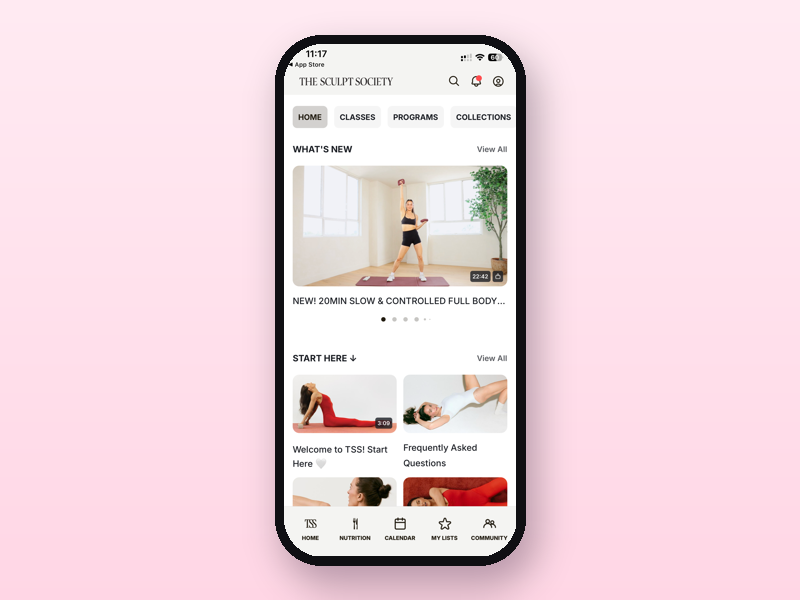
- The Sculpt Society 8.2 leans into the body-confidence and feel-good side of movement, which is one of the more plausible indirect routes exercise offers on this topic.
Common mistakes
- Expecting a workout to fix desire directly. The direct evidence is limited; the real benefits are indirect (Singh B 2023, PMID 36796860 supports the mood route).
- Ignoring dryness or pain. If sex hurts, exercise will not solve it; vaginal oestrogen often can, so raise it with a clinician.
- Skipping the pelvic floor. It is the most direct physical lever exercise offers here, with a strong evidence base for continence, and it is easy to neglect (Dumoulin C 2018, PMID 30288727).
- Over-training into exhaustion. Punishing workouts that wreck your sleep and energy work against desire, not for it.
- Blaming yourself. Low libido in menopause is multifactorial and common. It is not a character flaw or a lack of effort.
- Not seeking help. Distressing symptoms deserve a medical conversation, not silent endurance.
A weekly movement shape you can actually follow
If you want to put the ideas in this guide into practice, it helps to see them as a week rather than a list. Nothing here is prescriptive, and none of it needs to be intense. The aim is to support the indirect pathways that genuinely stack up: mood, energy, sleep, body confidence, and blood flow. The mood benefit in particular is the best-supported link in the whole chain (Singh B 2023, PMID 36796860), so a week that reliably includes movement you enjoy is doing the most useful thing available to you.
A realistic starting shape might look like this:
- Two or three strength sessions, short and manageable, spread across the week. The goal is the sense of capability and the energy and mood lift, not exhaustion.
- Two or three doses of cardio you actually like, which can be as simple as brisk walking, cycling, or a class. This is where much of the mood evidence sits, and it does not require punishing yourself.
- Daily pelvic floor practice, a couple of minutes at a time, folded into something you already do. This is the most direct physical lever in the toolkit (Dumoulin C 2018, PMID 30288727).
- Optional mind-body work, such as yoga or gentle mobility, once or twice a week if it appeals, for the stress and presence side of things.
The single most important design principle is that you enjoy enough of it to keep going. A perfect plan you abandon in a fortnight helps nothing; a modest plan you sustain for months is where the mood, sleep, and confidence benefits actually accrue. If a week goes sideways, and weeks do, the pelvic floor practice is the piece to protect, because it takes the least time and offers the most direct physical benefit.
Consistency matters more than any single hard session here. Desire is far more likely to have room to return when you feel steadily better in your body over months than after any one heroic workout. Build the week around movement that leaves you feeling more energetic and more at home in yourself, not more depleted.
Getting pelvic floor training right
Because the pelvic floor is the most direct physical lever exercise offers on this topic, it is worth a proper how-to rather than a passing mention. These muscles form a supportive sling at the base of the pelvis, and training them well is firmly established for continence (Dumoulin C 2018, PMID 30288727), with a plausible role in sexual sensation and arousal for some women.
Finding the right muscles. The sensation is a gentle lift and squeeze inwards and upwards, as though you were trying to stop yourself passing wind and holding back urine at the same time. It is easy to get wrong: many women bear down instead of lifting, or clench the buttocks, thighs, or tummy while the pelvic floor does little. If you are not sure you have found them, that uncertainty is common and a very good reason to see a women’s health physiotherapist, who can check your technique properly.
A simple practice. A typical approach combines slow holds and quick squeezes. For the slow ones, lift and hold for a few seconds, then fully relax for the same length of time, and build up gradually. For the quick ones, do a short set of fast, firm lift-and-release squeezes. A couple of short rounds a day, folded into moments you will remember such as waiting for the kettle, is more sustainable than one long session you skip.
The part people forget: relaxing. A pelvic floor that cannot fully let go can be just as much of a problem as a weak one, and for some women tension rather than weakness is the issue. Full relaxation between contractions is part of the training, not an afterthought. If you have pain, or a sense of persistent tightness, that is another reason to seek a physiotherapist rather than simply squeezing harder.
When to get professional help. If you have prolapse symptoms, ongoing pain, leakage that bothers you, or you simply cannot tell whether you are doing it right, a women’s health physiotherapist is worth every penny. This is a clinical area, and personalised guidance beats guessing. Pelvic floor training is not a substitute for medical treatment where a clinician is needed, and it will not address tissue changes caused by low oestrogen.
Sleep, stress, and the nervous system side of desire
Two of the layers named earlier in this guide, sleep and mood, deserve a little more practical attention, because they are where movement does much of its useful indirect work and where small changes often help most.
Desire is hard to access on an empty tank, and disrupted sleep is one of the most common complaints of the menopause transition. Regular exercise is associated with better sleep quality for many people, and better sleep tends to lift mood and energy in turn, which is exactly the ground on which desire is most likely to return. The practical version is unglamorous: movement earlier in the day for some people, winding down properly in the evening, and not treating a punishing late workout as virtuous when it wrecks the night’s sleep. Over-training into exhaustion works against desire, not for it.
Stress is the other quiet driver. A nervous system stuck in a state of high alert is not one that easily shifts into arousal and presence, and a rushed, distracted, depleted day is not fertile ground for intimacy. This is where the mood evidence is most relevant: exercise meaningfully eases symptoms of depression and anxiety (Singh B 2023, PMID 36796860), and calmer, steadier mood makes space for desire that stress otherwise crowds out. Gentler, mind-body movement such as yoga is a reasonable option here, more plausible than proven, for lowering stress and helping you reconnect with your own body rather than living permanently in your head.
None of this is a promise that better sleep and lower stress will restore desire on their own. It is that they remove some of the very real obstacles in its way, and movement is one of the more reliable ways to influence both.
Everyday habits that support the indirect pathways
Alongside structured exercise, a handful of ordinary habits support the same indirect routes. These are practical suggestions rather than proven libido treatments, and where a symptom points to a medical cause the right move is still a clinician, not a life hack.
- Address comfort directly. If dryness or discomfort is part of the picture, over-the-counter vaginal moisturisers and lubricants can make intimacy more comfortable in the meantime, but they do not treat the underlying tissue changes. Persistent dryness or pain is worth raising with a clinician, because vaginal oestrogen often helps a great deal.
- Go easy on alcohol. It is easy to reach for a drink to relax, but alcohol tends to worsen sleep and can dampen arousal, so it often works against the very thing you are hoping it will help.
- Protect your energy. Desire competes with exhaustion. Guarding your sleep, saying no to some of the load where you can, and not scheduling intimacy for the moment you are most wrung out are all small, real levers.
- Make room for connection. Desire does not happen in a vacuum. Time together that is not about sex, and simply feeling connected to a partner, matters as much as any single physical factor for many women.
- Be kind to your body image. How you feel about your body strongly shapes how you feel about intimacy. Strength work can help you feel more capable and at home in yourself, and that shift, from scrutinising your body to inhabiting it, is one of the more plausible routes movement offers.
The thread running through all of these is the same as the thread running through the exercise advice: pull on several gentle levers together rather than expecting one to carry the whole result.
Talking to a partner, and to yourself
Low desire rarely stays purely physical, and one of the harder parts is what it can do to how you feel about yourself and your relationship. Two things are worth saying plainly.
First, a change in desire is not a personal failing. Low libido in menopause is multifactorial and common, driven by hormones, sleep, mood, body image, and life all at once, not by a lack of effort or care. Blaming yourself is both unfair and unhelpful, and it tends to make the whole thing heavier.
Second, naming it with a partner, awkward as that can feel, usually helps more than silence. Unspoken, a drop in desire is easily misread as rejection or lost attraction, which adds relationship strain on top of the original change and can feed the cycle. A short, kind conversation that explains what is going on, that this is a common part of the transition and not about them, takes pressure off both people. If the strain runs deeper, a relationship counsellor or psychosexual therapist is a legitimate source of help, not a last resort.
None of this replaces medical care where it is needed. It sits alongside it, in the same way exercise does: useful, humane, and not a cure on its own.
Choosing movement you will actually keep doing
The most effective exercise for the indirect libido pathways is not a particular class or machine. It is the movement you will still be doing in three months, because the mood, sleep, energy, and confidence benefits build with consistency rather than intensity (Singh B 2023, PMID 36796860). That reframes the whole question of what to do: instead of chasing the theoretically optimal workout, choose the one you are most likely to keep.
A few practical filters help here.
- Enjoyment first. If you dread it, you will drop it, and a plan you abandon helps nothing. Pick cardio you genuinely like, whether that is walking with a friend, cycling, dancing, or a class, so the mood benefit actually accumulates.
- Convenience second. The session that fits your real week beats the ideal one that needs an hour and a commute. Short strength sessions at home, a brisk walk from your own front door, and pelvic floor practice folded into daily moments all survive a busy life better than anything elaborate.
- Gentle over punishing. The mood benefit does not require exhaustion, and over-training that wrecks your sleep and energy works against desire rather than for it. Aim to finish most sessions feeling more energetic, not wrung out.
- Sustainable, not perfect. A modest routine you keep for months does far more for the factors around desire than a heroic plan that lasts a fortnight.
It also helps to expect an uneven path. Some weeks will go sideways, and that is normal rather than a failure. When time is short, protect the pieces that give the most for the least: a short walk for the mood and blood-flow benefit, and your daily pelvic floor practice, which is the most direct physical lever exercise offers here (Dumoulin C 2018, PMID 30288727). Getting back to your fuller routine the following week matters more than any single missed session.
If you have been away from exercise for a while, or you have a health condition, joint problems, or a pelvic health concern, it is worth starting gently and, where relevant, checking in with a GP or a women’s health physiotherapist before you build up. Movement is meant to support how you feel in your body, and starting at a level that feels manageable is what makes it something you can keep.
Preparing for a GP or menopause specialist appointment
Because the medical route matters so much here, it is worth a little more on how to get the most from it. These appointments can move fast, and going in prepared makes a real difference.
Before you go, jot down a few things: when the change started, what exactly you have noticed (desire, arousal, dryness, pain, mood, sleep), what you have already tried, and what matters most to you. Being specific helps the clinician help you, and it stops the conversation staying vague.
Know roughly what is on the table so you can ask about it. A GP or, ideally, a menopause specialist can discuss menopausal hormone therapy (MHT, also called HRT) for the broader symptom picture, and vaginal oestrogen as a low-dose local treatment specifically for dryness and discomfort, which is often transformative for the pain piece. In some cases, and under specialist guidance, testosterone is considered for low desire, though its use for this is more nuanced and should be discussed with a clinician who knows the evidence (Islam RM 2019, PMID 31353194). You do not need to arrive with the answers, only with your questions.
If you feel dismissed, and some women sadly still are, it is reasonable to ask directly for a referral to a menopause specialist. A clinician who knows this area well will not treat low libido as trivial or inevitable. There is no medal for toughing it out, and exercise is meant to sit alongside whatever a clinician recommends, not instead of it.
Where the evidence is still evolving
This is an area where I would ask you to hold the findings loosely. The direct, high-quality evidence linking exercise specifically to increased sexual desire in menopausal women is limited, and much of what exists is small or indirect. The mood pathway is well supported (Singh B 2023, PMID 36796860), and pelvic floor training has a strong evidence base for continence (Dumoulin C 2018, PMID 30288727) with a plausible role in sexual function, but the chain from those benefits to desire itself is inferred more than proven. Research on testosterone for female desire is active and its role is still being defined. Treat exercise as a well-founded way to support the factors around libido, and treat any confident claim of a direct effect with healthy scepticism.
Glossary
| Term | Plain-English meaning |
|---|---|
| Libido | Sex drive, or desire for sexual activity |
| Multifactorial | Caused by several factors at once, not one thing |
| Oestrogen | A key female hormone that declines in menopause |
| Testosterone | A hormone women have in small amounts, linked to desire |
| Vaginal atrophy | Thinning and drying of vaginal tissue from low oestrogen |
| MHT / HRT | Menopausal hormone therapy; replaces declining hormones |
| Vaginal oestrogen | Low-dose local treatment for dryness and discomfort |
| Pelvic floor training | Exercises for the muscles supporting the bladder and sexual function |
Frequently asked questions
Mostly indirectly. It improves mood, energy, sleep, body image, and blood flow, which can make space for desire, and the mood benefit in particular is well supported (Singh B 2023, PMID 36796860). It is not a reliable direct switch for desire on its own.
There is no single winner, but pelvic floor training is the most direct physical lever, with a strong evidence base for continence (Dumoulin C 2018, PMID 30288727) and a plausible link to sexual function and sensation for some women, while cardio and strength work support the mood and confidence side.
No. Those come from tissue changes due to low oestrogen, and exercise does not address them. Vaginal oestrogen, prescribed by a clinician, often helps a great deal.
Because several things shift at once: falling oestrogen and testosterone, dryness, disrupted sleep, mood changes, body image, and life stress. That combination, not any single cause, is usually why.
There is no exact dose for libido specifically. For the mood benefits, regular moderate exercise across the week is enough; you do not need to exhaust yourself, and over-training can be counterproductive.
For some women, yes. Pelvic floor muscle training may help sexual function for some, and it has a strong evidence base for easing the leakage worries that can make intimacy stressful (Dumoulin C 2018, PMID 30288727). A women’s health physiotherapist can check your technique.
That is a conversation for a GP or menopause specialist. MHT and vaginal oestrogen help many women, and testosterone is sometimes considered for low desire under specialist guidance (Islam RM 2019, PMID 31353194).
Whenever low desire is distressing you, or whenever there is dryness, discomfort, or pain. Those are treatable, and you should not have to simply put up with them.
There is no exact timeline for libido specifically, because the benefits are indirect. What tends to build over weeks and months is steadier mood, better sleep, more energy, and more body confidence (Singh B 2023, PMID 36796860 supports the mood pathway). Think in terms of feeling better in your body over a season of consistent movement, not a single session.
Yes. A depleted, high-alert nervous system is not one that easily shifts into arousal, and disrupted sleep drags on mood and energy, both of which sit underneath desire. Easing stress and improving sleep, which regular movement can help with, removes real obstacles even though it is not a direct switch for desire.
Exercise is worth doing for mood, sleep, energy, and confidence regardless, but it will not address the tissue changes behind dryness or painful sex. Those come from low oestrogen, and vaginal oestrogen prescribed by a clinician often helps a great deal, so please raise it rather than relying on movement alone.
A short, kind conversation usually helps more than silence, because unspoken low desire is easily misread as rejection. Explaining that this is a common part of the transition and not about them takes pressure off both of you. If the strain runs deeper, a relationship counsellor or psychosexual therapist is a legitimate source of support.
Bottom line
Exercise earns its place in the menopause libido conversation, but as a supportive player, not the star. Its real value is indirect: better mood, more energy, improved sleep, greater body confidence, and healthier blood flow, with the mood benefit the best supported of all (Singh B 2023, PMID 36796860). Pelvic floor training adds a more direct physical lever for some women. What exercise cannot do is replace oestrogen in vaginal tissue or single-handedly restore desire, and if low libido is distressing you, a GP or menopause specialist has genuine options. Move for how it makes you feel, and treat the medical route as a partner to it, not a last resort.
Related guides
What to do next
References
- Singh B, et al. Effectiveness of physical activity interventions for improving depression, anxiety and distress: an overview of systematic reviews. Br J Sports Med. 2023. PMID 36796860.
- Dumoulin C, et al. Pelvic floor muscle training versus no treatment, or inactive control treatments, for urinary incontinence in women. Cochrane Database of Systematic Reviews, 2018. PMID 30288727.
- Islam RM, et al. Safety and efficacy of testosterone for women: a systematic review and meta-analysis of randomised controlled trial data. Lancet Diabetes Endocrinol. 2019;7(10):754-766. PMID 31353194.
Informational, not medical advice. Her Daily Fit is not a medical service and this guide is educational only. Talk to your GP or a qualified clinician about your own health, symptoms, or before making significant changes to how you exercise, especially if anything is severe, persistent, or getting worse.