
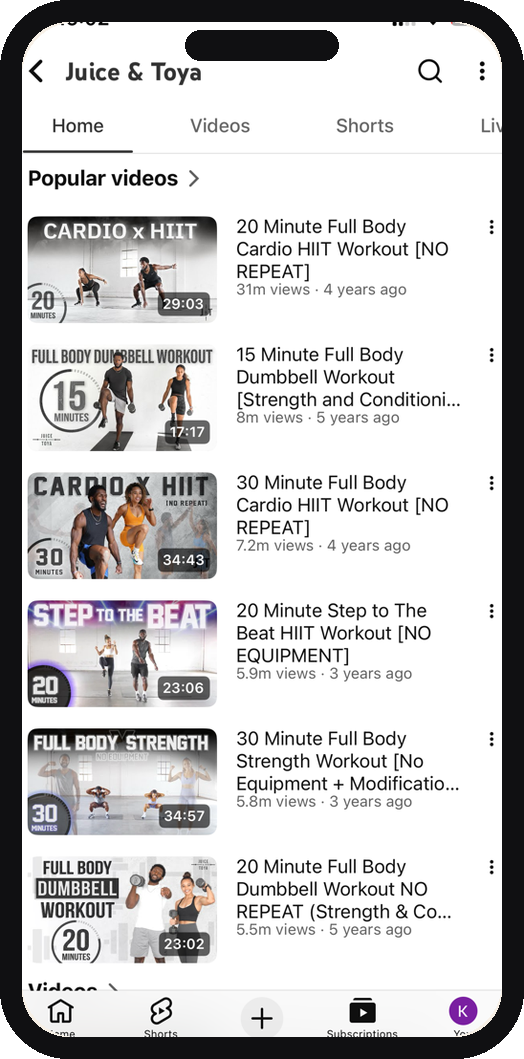
Juice & Toya, the Los Angeles trainer couple behind One Body LA: free follow-along home workouts on YouTube plus a low-cost subscription app, built on real dumbbell strength with a clever dual demo, strong low-impact options, and a sustainable, encouraging tone · one of the better free and low-cost choices for a midlife body · but with no menopause-specific content and home-weight loads. Real strength, joint-kind, and refreshingly non-toxic.
How this profile is different. This is a research-based data profile, not a hands-on test. It draws on Juice & Toya’s free YouTube channel, their subscription app and programme pages, their public information, verified reach and reviews, and the exercise science, then scores their content on our standard criteria for women over 40. Where we describe a workout, that reflects the published videos, not a personal trial. This is education, not medical advice; check with your clinician before starting a new programme, especially with joint, pelvic-floor or heart concerns.
Juice & Toya Review 2026: Quick Answer
Research-based data profile: assessed from their channel, app, reach, reviews and the science, not personally tested
Women 40+ who want real, joint-friendly dumbbell strength at home, free or low-cost, from an encouraging, sustainable creator
You want menopause or pelvic-floor content, heavy periodised progression, or a clinically designed programme
A free YouTube library of follow-along strength and low-impact home workouts, plus a paid app with structured programmes
About 20 to 45 minutes, with shorter 10 to 20 minute options
A set of dumbbells and a mat; many workouts also offer a bodyweight, no-equipment version
Genuinely low-impact options throughout, with no-jumping and standing routines; some HIIT is higher-impact
Real dumbbell strength, a dual demo that scales up or down, joint-friendly options and a sustainable tone
Genuinely good for a home creator, though home dumbbells are lighter than the heaviest bone-loading training
No menopause content, but the low-impact, real-strength, sustainable style suits midlife well
YouTube on any device, plus iOS, Android and web apps with casting
Free on YouTube, or the app at about $14.99 a month or $99.99 a year, plus one-off programmes
The YouTube content is free, and the app has a 7-day free trial
6.7 / 10
Quick Verdict
Worth it for women over 40? Yes, as one of the better free and low-cost options. Their real, joint-friendly dumbbell strength suits a midlife body well, even though for perimenopause or menopause specifically they have no dedicated content.
Juice & Toya earn 6.7/10 on our research-based evaluation, and they stand out among free creators. Their signature is genuine dumbbell strength with a clever dual demo, where one trainer performs the weighted, more advanced version while the other does a bodyweight, lower-impact version at the same time, so you can scale up or down in real time. They offer strong low-impact and apartment-friendly options, include warm-ups and cool-downs, and bring an encouraging, sustainable tone that reviewers and even a physiotherapist have praised. It is free on YouTube, with a low-cost app for structured programmes.
Where it is limited for our audience. There is no menopause, hormone or pelvic-floor content, the free YouTube library is a set of workouts rather than a periodised, progressive plan, and home dumbbells are lighter than the heaviest bone-loading training. The trainers are experienced and well regarded, but their qualifications are self-reported and there is no clinical or menopause advisory. Choose it if you want real, joint-friendly strength you will actually stick with, and layer in heavier loading and your own midlife knowledge over time.
Is Juice & Toya right for you?
Juice & Toya is strongest for value for money (9.7 out of 10, against a 6.9 average across the 105 programmes scored) and weakest for perimenopause and menopause support (2.5 against 3.2).
| Question | Verdict | Rating | Score |
|---|---|---|---|
| How it suits a perimenopausal body | |||
| Is Juice & Toya good for pelvic floor problems?Based on pelvic floor support and low-impact design | Low, about the same as mostmost score 4.7/10 | 4.8 / 10 | |
| Does Juice & Toya include perimenopause and menopause education and programming?Based on programming, education, hormone awareness and credibility | Low, about the same as mostmost score 3.2/10 | 2.5 / 10 | |
| Is Juice & Toya good for painful joints?Based on low-impact design and recovery provision | Strong, and better than mostmost score 6.1/10 | 7.0 / 10 | |
| Is Juice & Toya manageable when your energy is low?Based on recovery provision and mind-body support | Moderate, about the same as mostmost score 5.6/10 | 5.8 / 10 | |
| Is Juice & Toya good if you are new to strength training?Based on beginner on-ramp and mind-body support | Strong, and better than mostmost score 6.1/10 | 7.0 / 10 | |
| Is Juice & Toya good for building bone density?Based on bone loading and progressive strength | Moderate, but better than mostmost score 5.1/10 | 6.0 / 10 | |
| Does Juice & Toya help with nutrition?Based on midlife nutrition support | Low, about the same as mostmost score 3.6/10 | 3.0 / 10 | |
| How it performs as a product | |||
| Can you fit Juice & Toya into a busy week?Based on time efficiency | Strong, about the same as mostmost score 7.5/10 | 7.0 / 10 | |
| Is Juice & Toya worth the money?Based on value for money | Strong, and better than mostmost score 6.9/10 | 9.7 / 10 | |
Jump to Section
Who Is Behind It
Content and Features
Equipment You Need
Full Scoring
Good for Women Over 40?
Menopause and Midlife Fit
What the Research Says
What Users Report
Devices and Access
Cost
Will You Stick With It
Pros and Cons
How It Compares
vs Caroline Girvan
Best Alternatives
FAQ
Verdict
Assessment Status
Sources
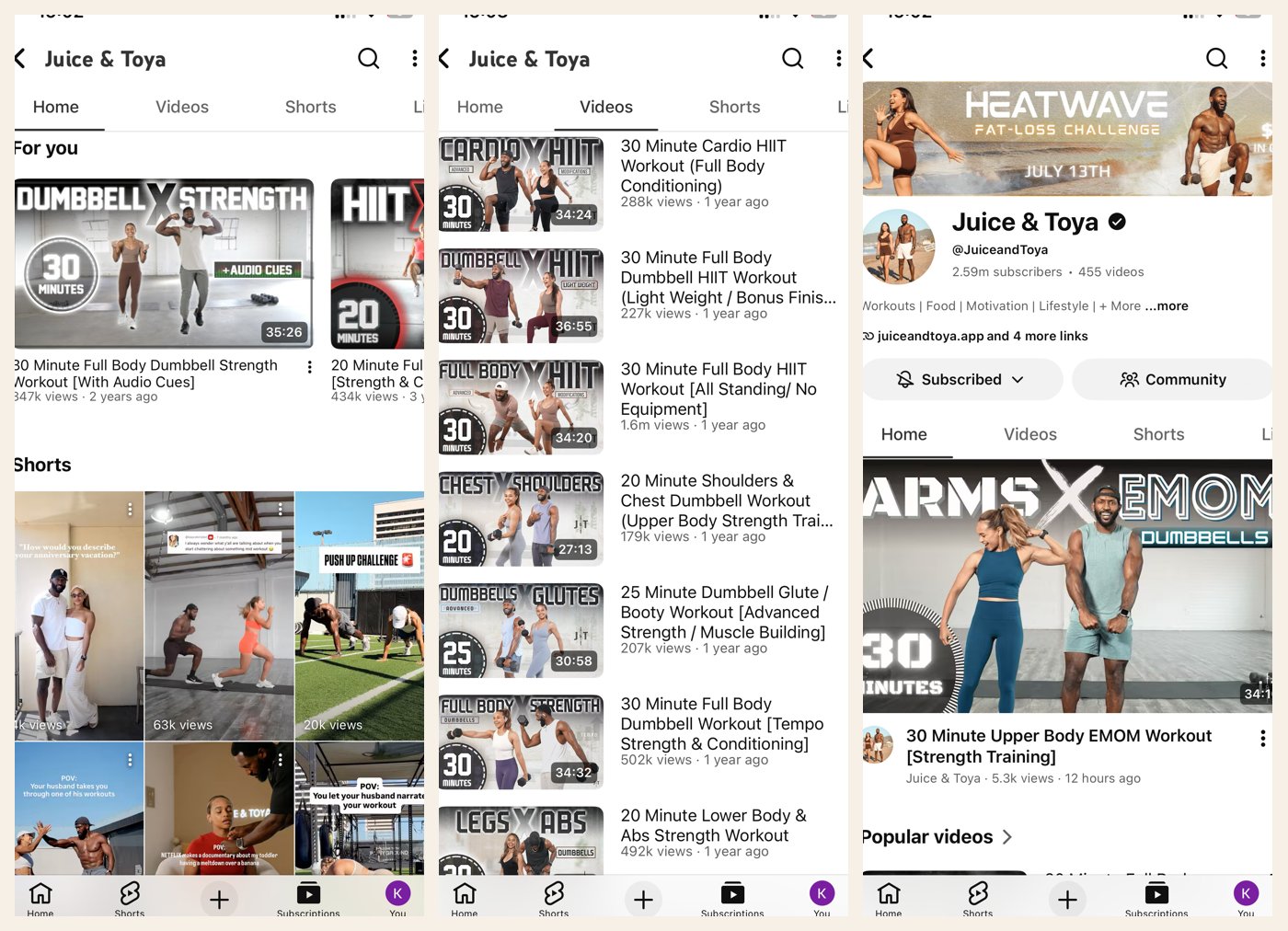
What Juice & Toya Actually Is
Juice & Toya are a Los Angeles couple and personal trainers who run the coaching business One Body LA and make free follow-along home workouts on YouTube, where they have around 1.7 million subscribers. Their content is genuinely strength-focused: real dumbbell and kettlebell work, low-impact strength, some HIIT, mobility and stretching, all apartment-friendly, with warm-ups and cool-downs included. Alongside the free channel, they run a paid subscription app on the Playbook platform, with structured multi-week programmes, plus one-off programmes you can buy and keep.
Which product this is. This profile covers both sides of Juice & Toya: the free YouTube library and their paid app and programmes. The free videos are the easiest way in and are a set of follow-along workouts and calendars; the app adds structured, progressive programmes, a workout timer, logging and a community, which is where the more organised progression lives.
For this audience it helps to be clear about what it is and is not. Juice & Toya are one of the better free and low-cost options for a midlife body, because they combine real strength with genuinely joint-friendly options and a sustainable, non-punitive tone. What they are not is a menopause programme or a clinically designed plan: there is no perimenopause, hormone or pelvic-floor content, the free library is not a periodised plan, and their qualifications, while real, are self-reported. Read them as a high-quality, joint-friendly strength habit to build on.
Who Is Behind Juice & Toya? Credibility
Juice & Toya are a married couple who have worked as personal trainers since 2015 and run One Body LA. Per their own bio, both hold degrees in nutritional science and sports medicine, and they have built a warm, family-oriented brand that reviewers consistently describe as encouraging and approachable. Their workouts are regularly featured by mainstream outlets, and a physiotherapist who reviewed their HIIT content judged it safe, which is a genuine credibility signal.
How to read that credibility. They are experienced, well-regarded trainers with a strong reputation for real strength programming and a healthy, non-toxic tone, which is a real asset for sticking with it. What they are not is clinically or menopause-credentialed: their specific qualifications are self-reported rather than independently documented, no named certifying body is given, and there is no medical, physiotherapy or menopause advisory behind the content. For our audience that means a trustworthy, likeable general-fitness source, but not a menopause or clinical authority, so you bring the midlife-specific knowledge yourself.
Content and Features
At a glance: free follow-along home workouts built on real dumbbell strength with a scalable dual demo, strong low-impact options, warm-ups and cool-downs, and a sustainable tone, plus a low-cost app with structured programmes. Capped for our audience by no menopause content, a free library that is not periodised, and self-reported credentials.
| Format | Free follow-along YouTube workouts and calendars, plus a paid app with structured multi-week programmes. |
| Class types | Dumbbell and kettlebell strength, low-impact strength, HIIT, full-body, core, and mobility or stretching. |
| Class length | About 20 to 45 minutes, with shorter 10 to 20 minute options. |
| Midlife strengths | Real, scalable strength, strong low-impact and no-jumping options, built-in warm-ups and cool-downs, and a sustainable tone. |
| Strength and bone | Genuinely good for a home creator, though home dumbbells are lighter than the heaviest bone-loading training. |
| Impact and joints | Plenty of low-impact, standing and no-jumping options; some HIIT is higher-impact. |
| Menopause programming | None: no menopause, hormone or pelvic-floor content, though the style suits midlife well. |
| Nutrition | Light and non-restrictive on YouTube; more nutrition guidance in the paid app. |
| Devices | YouTube on any device, plus iOS, Android and web apps with casting. |
What Equipment Do You Need for Juice & Toya?
Very little, which is part of the appeal. Most of their strength workouts use dumbbells, and many offer a bodyweight version too, so a set of dumbbells and a mat covers you. For a midlife body chasing muscle and bone, the useful upgrade is a set of adjustable dumbbells you can make heavier over time, since progressive loading is what protects bone and muscle and home weights tend to stay on the lighter side.
Recommended spec examples. These picks are curated for convenience by specification and feature fit, not personally lab-tested for long-term durability. Prices are examples; verify before buying.
Adjustable dumbbells (light)
A light adjustable pair for the strength workouts.~$73
Adjustable dumbbells (heavier)
A squared dial pair to 25 lb for heavier work as you get stronger.~$60
Exercise mat
A cushioned base for floor and core work.~$45
Small ball or band
A low-cost extra for core and mobility work.~$9
A quick heads-up: some of the buy links above are Amazon affiliate links, so if you grab something through them I may earn a small commission, at no extra cost to you. Juice & Toya’s YouTube workouts are free. I only ever point you to kit I would happily use myself.
Bottom line on equipment: a set of adjustable dumbbells and a mat is all you need, and heavier weights over time are the companion buy for the bone-loading strength home workouts otherwise cap.
How We Scored Juice & Toya: the 6.7 / 10 Breakdown
Scores on our 9 weighted criteria, from our research-based assessment. Women Over 40 is our menopause-fit criterion, and its full 12-capability breakdown follows in the next section.
| Category | Weight | Score | Confidence | Reasoning |
|---|---|---|---|---|
| Time Efficiency | 15% | 7 | Med | Practical 20 to 45 minute follow-alongs, with short options, fit a busy day. |
| Muscle Potential | 18% | 7 | Med | Real, scalable dumbbell strength, well above typical free YouTube, though capped by home-weight loads. |
| Women Over 40 Specificity | 10% | 4.6 | Med | A genuinely midlife-friendly style, but no menopause or hormone programming; full breakdown below. |
| Joint Friendliness | 12% | 8.5 | High | Strong dedicated low-impact and no-jumping options, plus warm-ups and cool-downs, make it kind to joints. |
| Recovery Compatibility | 10% | 7 | Med | A sustainable, non-grind tone with built-in warm-ups and cool-downs, though no formal deload structure. |
| Programme Structure | 12% | 5.5 | Med | Free calendars add structure, and the app has real programmes, but the free library is not periodised. |
| Value for Money | 8% | 9.7 | High | Free on YouTube, with a low-cost app, which is outstanding value. |
| UX and Design | 8% | 6.5 | Med | YouTube is frictionless and free; the paid app adds tracking and structure but is an extra step. |
| Nutrition Integration | 7% | 3 | High | Light and non-restrictive on YouTube, with more guidance in the app, but nothing midlife-specific. |
| Total | 100% | 6.7 / 10 | Research Score. |
Are Juice & Toya Good for Women Over 40?
Yes, and they are one of the better free options for it. Real, progressive-minded strength is the single most important thing most women can do in midlife to protect muscle and bone, and Juice & Toya deliver it in a genuinely accessible way: dumbbell workouts that build strength, a dual demo that lets you scale to your level, dedicated low-impact and no-jumping options that spare the joints, and warm-ups and cool-downs as standard. Their sustainable, non-punitive tone also makes it easier to keep going, which matters more than any single workout.
Who it suits, and what is missing. It suits a woman who wants real strength at home without a gym, values joint-friendly options, and responds to encouragement rather than a grind. What is missing is anything midlife-specific: there is no menopause, hormone or pelvic-floor content, the free library is a set of workouts rather than a periodised plan, home dumbbells are lighter than the heaviest bone-loading protocols, and the credentials are self-reported. None of that stops them being a strong choice, but you bring the midlife specifics.
What the wider picture shows. Juice & Toya punch well above typical free fitness for our audience because they combine real strength, low-impact accessibility and a healthy attitude. They are not a menopause programme or a heavy bone-loading plan, so the best way to use them is as a joint-friendly strength foundation, adding heavier adjustable dumbbells as you progress and, if you want it, menopause-specific guidance alongside.
How Juice & Toya Fit Perimenopause, Menopause and Beyond
Our capability breakdown of how well Juice & Toya suit women across perimenopause, menopause and post-menopause. Women Over 40 is our menopause-fit criterion, and this is the full breakdown behind the Women Over 40 row above.
Juice & Toya are strongest for low-impact, joint-friendly real strength and a beginner-friendly, sustainable onramp; they are weakest on any menopause, hormone or pelvic-floor content and on heavy bone loading, in our menopause and midlife capability assessment.
| At a glance | Score |
|---|---|
| Right training for a midlife body | 6.5 / 10 |
| Menopause education and programming* | 2.2 / 10 |
| Whole-woman support | 5.7 / 10 |
This is the perimenopause and menopause assessment, and it is separate from the overall score. Twelve things a programme either does for a midlife body or does not, each scored out of 10 with my reasoning next to it. Together they produce a single menopause fit score, and that becomes one of the nine categories in the overall scoring below.
How Juice & Toya Fits Perimenopause, Menopause & Beyond
Women Over 40 is our most important criterion, and here's the full breakdown behind it.
Juice & Toya is strongest for low-impact and beginner on-ramp, and weakest for pelvic floor, hormone awareness, menopause education, menopause programming and midlife nutrition, in our menopause and midlife capability assessment for women over 40.
At a glance
What the app teaches about perimenopause and/or menopause, not whether the training suits a midlife body.
| Capability | Score | Rating | Why |
|---|---|---|---|
| Right training for a midlife body | |||
| Low-impact | 8.5/10 | Strong | Dedicated low-impact, standing and no-jumping options plus a lower-impact demo make it genuinely joint-friendly. |
| Progressive strength | 7/10 | Strong | Real, scalable dumbbell strength, clearly above most free YouTube, though the free library is not a tracked progressive plan. |
| Bone loading | 5/10 | Some | Weight-bearing dumbbell work helps bone, but home weights stay lighter than the heaviest bone-loading protocols. |
| Recovery & deload | 5.5/10 | Some | Warm-ups, cool-downs and a sustainable pace support recovery; no formal deload or periodisation in the free content. |
| Menopause education and programming* | |||
| Menopause programming | 2/10 | None | No menopause- or cycle-specific programming; workouts are general low-impact strength for all ages. |
| Pelvic floor | 1/10 | None | No pelvic-floor or core-rehab focus in content or calendars. |
| Hormone awareness | 1.5/10 | None | No hormone or perimenopause framing; training is not adapted to hormonal changes. |
| Menopause education | 1.5/10 | None | No menopause education or symptom guidance in the free content. |
| Expert credibility | 5/10 | Some | Experienced, well-regarded trainers with a PT business and a physio endorsement, but credentials are self-reported and not menopause-specific. |
| Whole-woman support | |||
| Mind-body support | 6/10 | Some | Encouraging, sustainable, non-toxic tone supports adherence; limited structured mindset or stress work. |
| Beginner on-ramp | 8/10 | Strong | Very beginner-friendly cueing, modifications and a scalable dual demo make starting easy and unintimidating. |
| Midlife nutrition | 3/10 | Minimal | Non-diet ethos avoids harm but offers little structured midlife or protein nutrition (more in the app). |
ScaleBest-in-classStrongSomeMinimalNone
* What the app teaches and programmes around menopause, not whether the training suits a midlife body. Many programmes that score low here are still a good fit, they simply never use the word. A high score is not proof either: a few menopause videos added to a general library lifts this score without changing the training.
These are evidence-informed suitability ratings, not clinical measurements. They combine exercise science with product-specific research and, where indicated, hands-on testing, alongside multi-source verification, and are approximate. Individual response varies. A starting point, not medical advice. How we score menopause fit
What the sources say: scores combine their content, reach and reviews and the science. Juice & Toya do well on low-impact, joint-friendly strength, a beginner-friendly onramp and a sustainable tone, which support a midlife body genuinely well for a free creator. They score low on the built-for-menopause measures because there is no menopause, hormone, phase or pelvic-floor content and no clinical oversight, so they sit below purpose-built menopause platforms, while clearly beating most free fitness on midlife suitability.
These are evidence-informed suitability ratings, not clinical measurements. They combine exercise science with programme research and multi-source verification, and are approximate. Individual response varies. A starting point, not medical advice. How we score menopause fit.
What the Research Says: Juice & Toya Checked
Their core method is exactly right for midlife. Real resistance training builds strength and muscle in older adults, with bigger gains from higher effort,[1] and it matters because lean muscle falls and fat rises across the menopause transition.[2] Encouragingly for home dumbbell work, lighter loads taken close to failure can build muscle size comparable to heavy loads, even though the biggest gains in maximal strength still favour heavier weights.[3] So Juice & Toya’s scalable dumbbell strength is a genuinely worthwhile stimulus.
Joint-friendly strength is well supported. Accessible, land-based strengthening exercise reduces pain and improves function and quality of life, including in people with knee osteoarthritis, which speaks to the value of their low-impact options for midlife joints.[4] And there is even a menopause-symptom angle: a small trial found progressive resistance training reduced hot flushes in postmenopausal women.[5] Muscle-strengthening activity is also linked to lower mortality, with benefit from as little as 30 to 60 minutes a week, so short, sustainable sessions count.[6]
Where the limit lies. For the strongest bone-density gains, the evidence points to heavy, progressive resistance and impact training, which improved bone density in postmenopausal women in a supervised programme using loads well above typical home dumbbells.[7] Juice & Toya’s home weights are lighter than that, so their strength work maintains and builds usefully but should not be assumed to match the heaviest bone-loading protocols. The sensible approach is to use them for real, sustainable strength and add heavier loading as you progress.
What Users Report: Verified Sentiment
Reach snapshot: Juice & Toya are a large, well-liked presence, with around 1.7 million YouTube subscribers and well over a hundred million lifetime views, and their workouts are regularly featured by mainstream outlets. Because their paid app runs on a shared platform, there is no creator-specific app rating to cite, so the signal here is reach, editorial coverage and reviewer sentiment rather than star ratings.
What users and reviewers praise, and the few criticisms. The praise is unusually consistent: the real dumbbell strength with a dual demo that scales up or down, the low-impact and apartment-friendly options, the built-in warm-ups and cool-downs, the beginner-friendly cueing, and above all the encouraging, sustainable, non-diet-culture tone. Substantiated criticism is scarce, which fits their wholesome reputation. The fair structural caveats, rather than complaints, are that the free content is a set of workouts rather than a periodised progressive plan, that progression is better served by the paid app, and that their credentials are self-reported.
Consistently praised
- Real dumbbell strength with a dual demo that scales up or down.
- Strong low-impact, no-jumping and apartment-friendly options.
- Built-in warm-ups, cool-downs and clear cueing.
- An encouraging, sustainable, non-toxic tone.
Consistently noted
- No menopause, hormone or pelvic-floor content.
- The free library is not a periodised, progressive plan.
- Home dumbbells are lighter than heavy bone-loading protocols.
- Credentials are experienced but self-reported.
Source and credibility note: reach figures were checked in 2026 and can vary between trackers; there is no creator-specific app rating because the app runs on a shared platform, so we do not cite one. Sentiment comes from their reach, editorial features and reviewer coverage, which skew positive and are consistent with a strong reputation. No menopause-specific sentiment was found, and menopause suitability is inferred from their style, not claimed by them.
Devices and Access
The free workouts live on YouTube, so they play anywhere YouTube does, on a phone, tablet, computer or television, with easy casting and automatic captions. The paid app runs on iOS, Android and the web, and supports casting to a television through AirPlay, Chromecast and similar, along with a workout timer, logging and offline downloads. So you can start free on YouTube and move to the app if you want more structure.
A couple of practical notes. The free YouTube library is deep but unstructured, so following one of their calendars or moving to the app is the way to get real progression. And because the app is on a shared platform, a few details like in-app subtitles are not clearly documented, so check anything essential during the free trial.
Juice & Toya Cost: What You Actually Pay
| Plan | Cost | Notes |
|---|---|---|
| YouTube workouts | Free | The full follow-along library and free calendars, ad-supported. |
| App (monthly) | ~$14.99/mo | Structured programmes, a workout timer, logging, nutrition guides and community. |
| App (annual) | ~$99.99/yr | Works out cheaper per month, with a 7-day free trial. |
| One-off programmes | ~$10 to $50 | Individual programmes you buy once and keep, without a subscription. |
Cost
The heart of Juice & Toya is free on YouTube. Their app costs about $14.99 a month or $99.99 a year in US dollars, with a 7-day free trial, and adds structured programmes, a timer, logging and nutrition guidance, while individual programmes can be bought once for roughly $10 to $50 and kept for good. A price change for the app was reported for new members, so confirm the current figure before subscribing. Because the free content is so strong, many women will get real value without paying at all.
Not sure Juice & Toya is the right programme for you?
Answer a few questions about your goals, schedule and fitness level, and get matched with programmes that fit.
Will You Actually Stick With It?
Juice & Toya are built for adherence in the way that matters most: they make strength feel doable and enjoyable. The encouraging, sustainable tone lowers the pressure, the low-impact options mean a sore day does not end the streak, the dual demo lets you match your energy, and the free access removes any barrier to starting. Their warm couple dynamic and clear cueing make it easy to keep pressing play.
The main risk to progress is structure, not motivation. Because the free library is a set of workouts rather than a periodised plan, it is easy to keep doing the same intensity without progressing, which caps results over time. Following one of their calendars, or moving to the app for structured programmes and adding heavier weights, is what turns a sustainable habit into steady progress. If you value consistency and a healthy attitude, they support it as well as any free option.
Juice & Toya Pros and Cons
Pros
- Real, scalable dumbbell strength, ideal for midlife muscle
- Strong low-impact, no-jumping and apartment-friendly options
- Warm-ups and cool-downs included, and clear cueing
- An encouraging, sustainable, non-toxic tone
- Free on YouTube, with a low-cost app for structure
Cons
- No menopause, hormone or pelvic-floor content
- The free library is not a periodised, progressive plan
- Home dumbbells are lighter than heavy bone-loading training
- Credentials are experienced but self-reported
- No clinical or menopause advisory
How Juice & Toya Compare
Here is how Juice & Toya stack up against the alternatives women most often weigh them against, including the strongest menopause-built option as a contrast. Scores come from our own reviews; prices and ratings are approximate, so verify on each platform.
| Feature | Juice & Toya | Caroline Girvan | Grow with Jo | Sydney Cummings | Pvolve |
|---|---|---|---|---|---|
| Our score | 6.7 / 10 | 7.6 / 10 | 6.3 / 10 | 6.0 / 10 | 8.3 / 10 |
| Monthly price | Free · app ~$14.99 | Free · app extra | Free | Free · app extra | $24.99/mo · equipment from $199 |
| Style | Dumbbell strength + low-impact | Structured, harder strength | Low-impact walking and cardio | Daily strength and conditioning | Functional strength, menopause-built |
| Impact | Low-impact options throughout | Mixed, some high-impact | Low-impact | Mixed | Low-impact |
| Strength focus | Real, scalable, home dumbbells | High, progressive | Light | High, varied | Moderate, functional |
| Perimenopause content | None | None | Minimal, gentle | None | Yes, menopause-built |
| Best suited to | Women wanting real, joint-friendly home strength | Women wanting harder, structured free strength | Women wanting gentle low-impact cardio | Women wanting daily varied strength | Women 40 to 55 wanting menopause-built strength |
Juice & Toya vs Caroline Girvan: Which Is Better for Women Over 40?
Both are excellent free strength options, but they sit at different intensities. Caroline Girvan offers harder, more structured, progressive programmes that are superb if you already train and want a challenge, though they can be tough for a beginner and include higher-impact work. Juice & Toya are more accessible and joint-friendly, with a dual demo that scales down, dedicated low-impact options and a gentler, more encouraging tone, while still delivering real strength.
For women over 40 the choice is about where you are starting. If you want to be pushed with a structured, progressive plan and can handle the intensity, Caroline Girvan is the stronger fit. If you want real strength that meets you where you are, spares your joints and keeps things sustainable, Juice & Toya are ideal, and you can always add heavier weights over time. Neither is menopause-specific, so pair either with your own midlife knowledge or a purpose-built menopause programme like Pvolve.
If Juice & Toya Are Not Right for You: Best Alternatives
If you want more structure, gentler cardio, or menopause-specific design, these published alternatives pair or compare well.
Similar programmes we partner with
Close to Juice & Toya, if it is not quite right for you
These are not part of this review’s score. Each shares a goal or training style with Juice & Toya, and each is worth a look if it is closer to what you need.
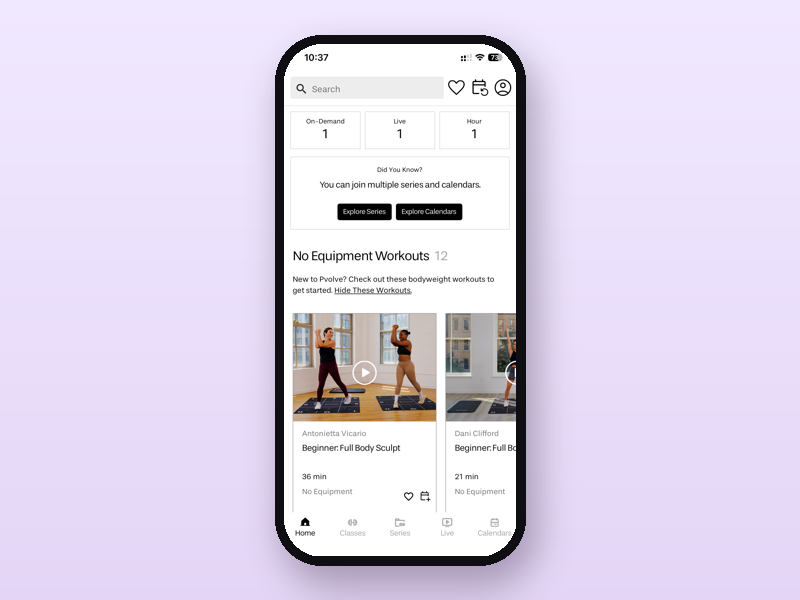
Clinically studied low-impact functional training with a dedicated menopause programme and pelvic floor content, backed by an OBGYN advisory board. Eq…
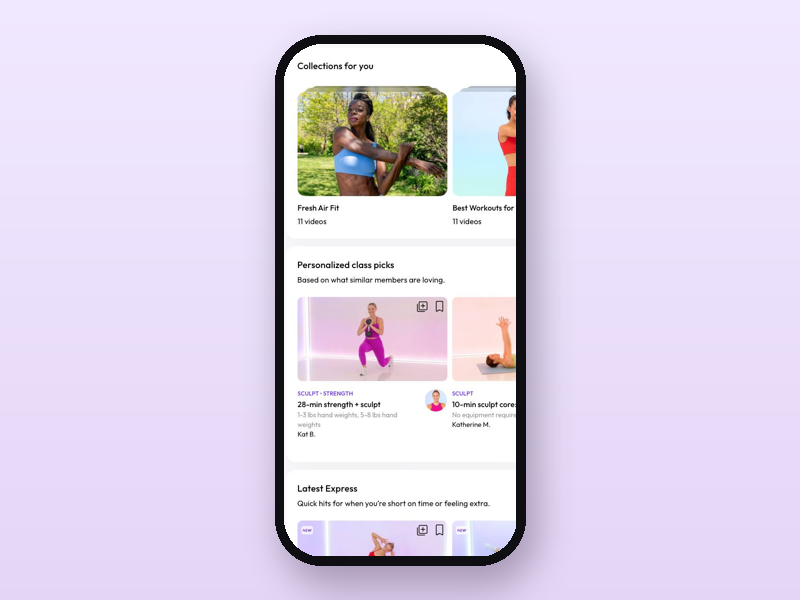
One of the most enjoyable fitness platforms for women in midlife: outstanding filtering, signature 28-minute classes, genuine menopause programming. U…
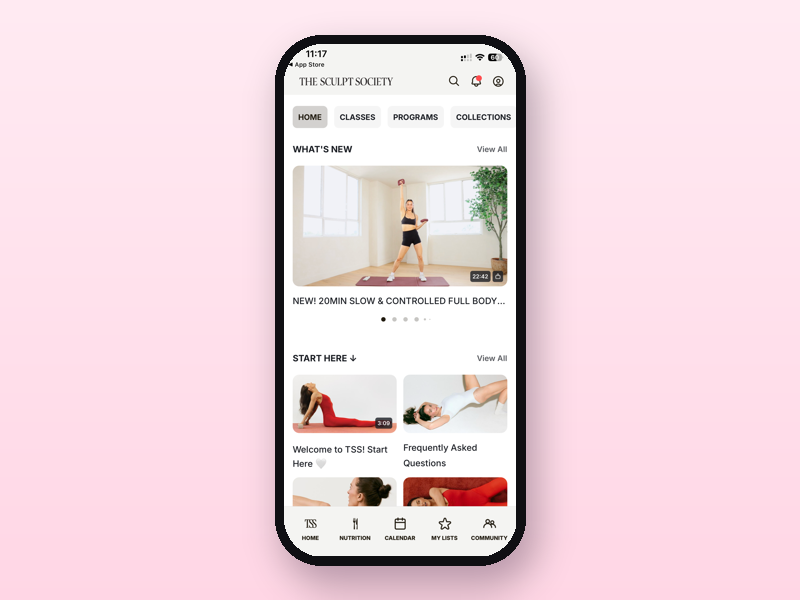
Joyful low-impact dance cardio and sculpt with a doctor-backed midlife programme added in 2026. Excellent for joints and consistency, though light loa…
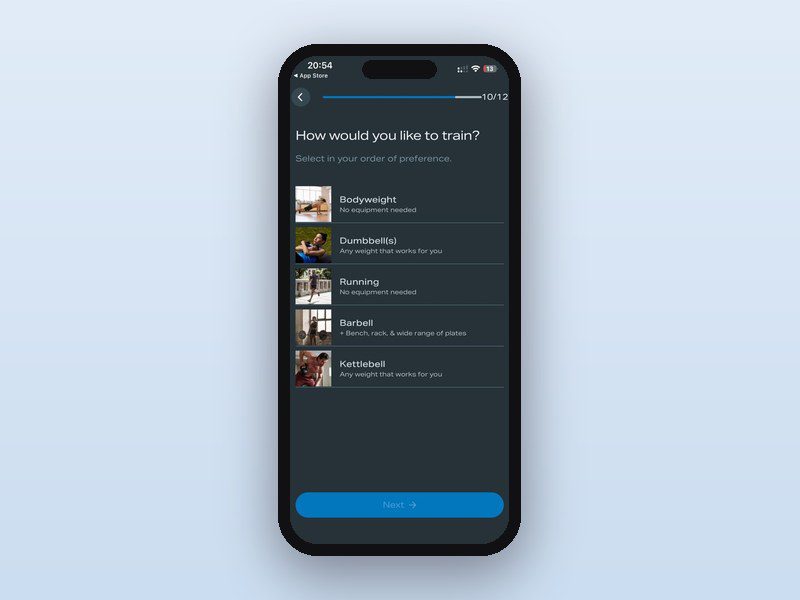
A well-structured AI coach app with genuine strength progression, but a high-impact default that is hard on midlife joints, no menopause programming,…
Affiliate links, at no extra cost to you. I buy my own subscriptions and a commission never moves a score or a position. Full disclosure.
Juice & Toya FAQ
Juice & Toya are a Los Angeles couple and personal trainers who run the coaching business One Body LA and make free follow-along home workouts on YouTube, where they have around 1.7 million subscribers. Their content is genuinely strength-focused, with real dumbbell and kettlebell work, low-impact strength, some HIIT and mobility, all apartment-friendly and with warm-ups and cool-downs. They also run a paid subscription app with structured multi-week programmes, plus one-off programmes you can buy and keep.
Yes, they are one of the better free options for a midlife body, because they combine real, scalable dumbbell strength with strong low-impact options, warm-ups and cool-downs, and a sustainable, encouraging tone. The caveats are that they have no menopause, hormone or pelvic-floor content, their free library is a set of workouts rather than a periodised plan, home dumbbells are lighter than the heaviest bone-loading training, and their credentials are self-reported. So they work as a joint-friendly strength foundation, best paired with heavier loading over time and your own midlife knowledge.
The heart of their content is free on YouTube, including full follow-along workouts and free calendars, ad-supported. They also offer a paid app at about $14.99 a month or $99.99 a year with a 7-day free trial, which adds structured programmes, a workout timer, logging, nutrition guidance and a community, and individual programmes you can buy once for roughly $10 to $50. Because the free content is so strong, many women get real value without paying at all.
Yes, this is one of their strengths. They offer plenty of dedicated low-impact, standing and no-jumping options, and their signature dual demo shows a lower-impact version alongside the weighted one, so you can scale to your joints. Warm-ups and cool-downs are included, and a physiotherapist who reviewed their HIIT content judged it safe. Some HIIT sessions are higher-impact, so choose the low-impact options if your joints or pelvic floor need them, and pair with dedicated pelvic-floor work if that is a concern.
They deliver real, useful strength for a home creator, and resistance training is exactly what a midlife body needs to protect muscle and bone. The real limit is that home dumbbells are lighter than the heaviest supervised protocols shown to increase bone density, so their work maintains and builds strength well but should not be assumed to match those heavy bone-loading programmes. The best approach is to use them for sustainable strength and progress to heavier adjustable dumbbells over time.
For a woman who wants real, joint-friendly strength at home from an encouraging, sustainable creator, yes, and the free YouTube library alone makes them low-risk to try. They are a weaker choice if you want menopause-specific programming, pelvic-floor content, heavy periodised progression, or a clinically designed plan, because they have none of those. On our research-based evaluation, Juice & Toya are one of the best free and low-cost midlife-friendly strength options, best built on with heavier loading over time.
Final Verdict
Research Score: 6.7 / 10 · Research-based data profile
Juice & Toya are a genuinely good, well-liked creator couple who deliver real, joint-friendly strength at home, free on YouTube and low-cost in their app. For our audience they punch above typical free fitness, because they pair real dumbbell strength with a scalable dual demo, strong low-impact options, warm-ups and cool-downs, and a healthy, sustainable attitude.
Juice & Toya are for women who want real, accessible, joint-friendly strength at home from an encouraging creator, on a budget. They are not for women who want menopause-specific programming, pelvic-floor or hormone content, heavy periodised progression, or a clinically designed plan, because they have none of those, their free library is not periodised, and home dumbbells are lighter than the heaviest bone-loading training. The best way to use them is as a sustainable, joint-friendly strength foundation, adding heavier adjustable dumbbells over time and, if you want it, menopause-specific guidance alongside. As a research-based profile, this reflects their public content, reach, reviews and the science, not a hands-on test.
Assessment Status
Research-based data profile: this profile is based on Juice & Toya’s free YouTube content, their subscription app and programme pages, their public information and reach, editorial and reviewer coverage, and the exercise science, scored on our standard criteria. It is not a hands-on test, and no personal-testing claims are made. If we follow along and test their workouts in future, we will note that on the same page. How we score and test.
Sources and Further Reading
- Peterson, M.D. et al. (2010). Resistance exercise for muscular strength in older adults: a meta-analysis. Ageing Research Reviews, 9(3), 226 to 237. DOI 10.1016/j.arr.2010.03.004. Available at: pubmed.ncbi.nlm.nih.gov. Resistance training significantly increased strength in adults over 50, with larger gains from higher intensity.
- Greendale, G.A. et al. (2019). Changes in body composition and weight during the menopause transition. JCI Insight, 4(5), e124865 (Study of Women’s Health Across the Nation). DOI 10.1172/jci.insight.124865. Available at: pubmed.ncbi.nlm.nih.gov. Fat mass rose and lean mass fell across the menopause transition (observational cohort).
- Schoenfeld, B.J. et al. (2017). Strength and hypertrophy adaptations between low- versus high-load resistance training: a systematic review and meta-analysis. Journal of Strength and Conditioning Research, 31(12), 3508 to 3523. DOI 10.1519/JSC.0000000000002200. Available at: pubmed.ncbi.nlm.nih.gov. Muscle size grew similarly across loads taken close to failure, while heavier loads produced greater maximal-strength gains.
- Fransen, M. et al. (2015). Exercise for osteoarthritis of the knee. Cochrane Database of Systematic Reviews, 1, CD004376. DOI 10.1002/14651858.CD004376.pub3. Available at: pubmed.ncbi.nlm.nih.gov. Land-based strengthening exercise reduced pain and improved function and quality of life in people with knee osteoarthritis.
- Berin, E. et al. (2019). Resistance training for hot flushes in postmenopausal women: a randomised controlled trial. Maturitas, 126, 55 to 60. DOI 10.1016/j.maturitas.2019.05.005. Available at: pubmed.ncbi.nlm.nih.gov. Fifteen weeks of progressive resistance training reduced moderate-to-severe hot flushes versus controls in a small trial.
- Momma, H. et al. (2022). Muscle-strengthening activities are associated with lower risk and mortality in major non-communicable diseases: a systematic review and meta-analysis of cohort studies. British Journal of Sports Medicine, 56(13), 755 to 763. DOI 10.1136/bjsports-2021-105061. Available at: pubmed.ncbi.nlm.nih.gov. Muscle-strengthening activity was associated with lower mortality and disease risk, peaking around 30 to 60 minutes a week (observational).
- Watson, S.L. et al. (2018). High-Intensity Resistance and Impact Training Improves Bone Mineral Density and Physical Function in Postmenopausal Women With Osteopenia and Osteoporosis: The LIFTMOR Randomized Controlled Trial. Journal of Bone and Mineral Research, 33(2), 211 to 220. DOI 10.1002/jbmr.3284. Available at: pubmed.ncbi.nlm.nih.gov. Heavy, supervised progressive resistance and impact training improved bone density where lighter exercise did not.
This is a research-based data profile, not a hands-on test. Information was verified in 2026 and may have changed. Some affiliate links may be present. This site does not accept payment from creators reviewed. Education, not medical advice; check with your clinician before starting a new programme, especially with joint, pelvic-floor or heart concerns.
Related Guides
What To Do Next
- → Take our 2-minute quiz for a personalised recommendation.
- → See our best workouts for women over 40 rankings.
- → Compare with our Caroline Girvan review and see how we score every programme.