
Program Comparisons
Head-to-head comparisons
Compare fitness programs side by side
Pick any two of the 105 programs we have scored and see them side by side, right here. Where we have written a full comparison, you get the link too.
- 105 programs to compare
- 73 written head-to-heads
- 26 fully tested by us
Start here
Most compared
The matchups between the programs that come up most across our comparisons.
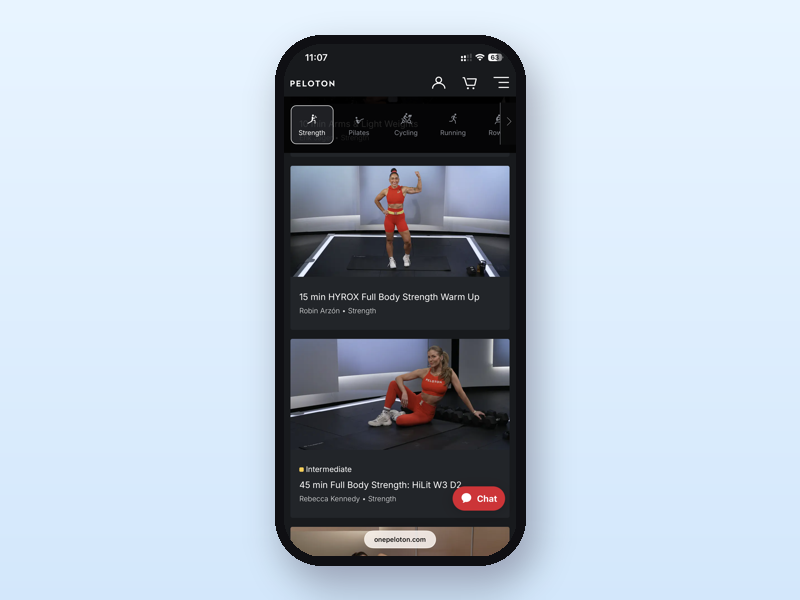
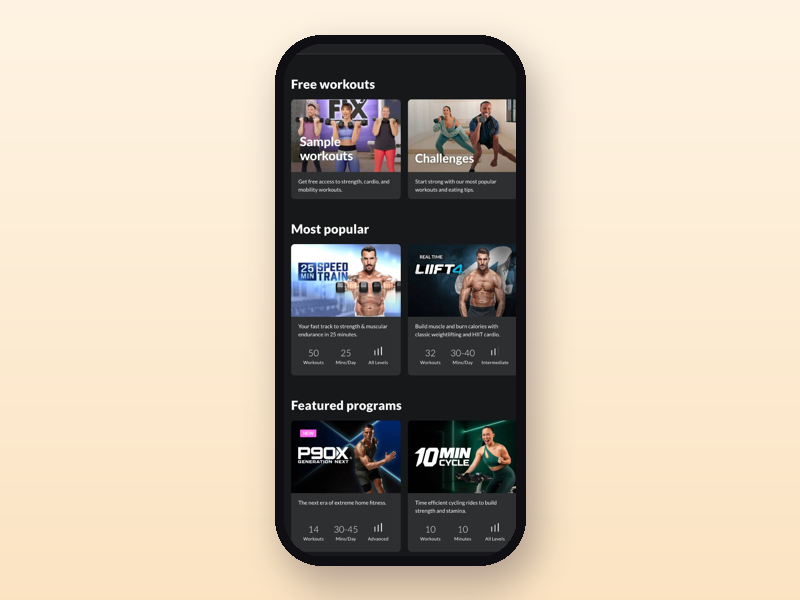 VS
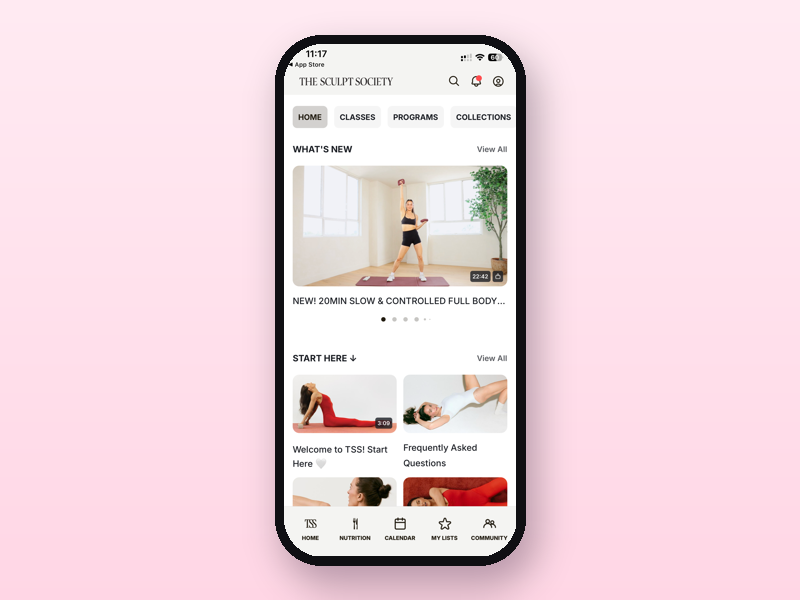 VSVS
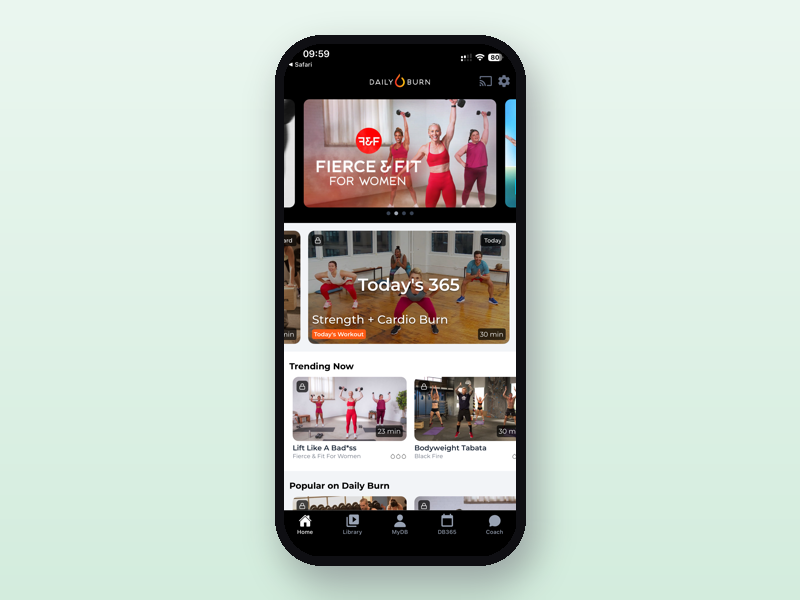
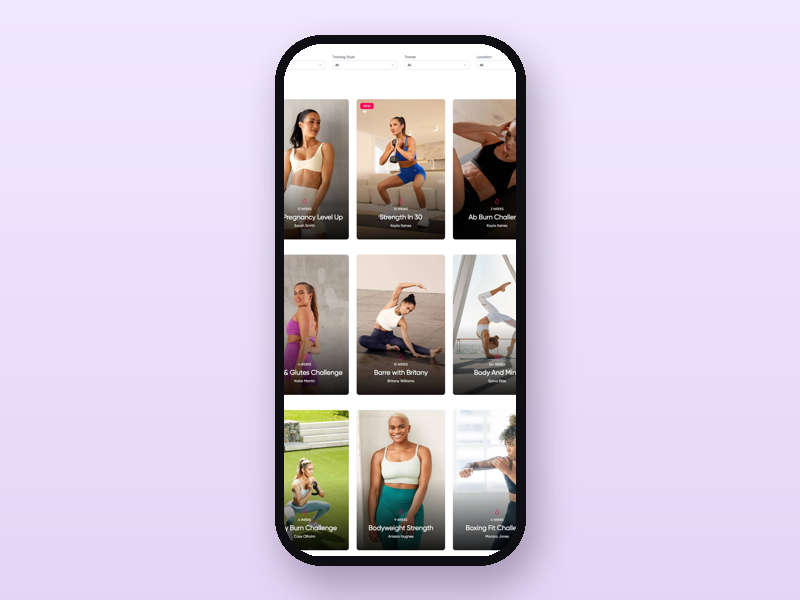 VS
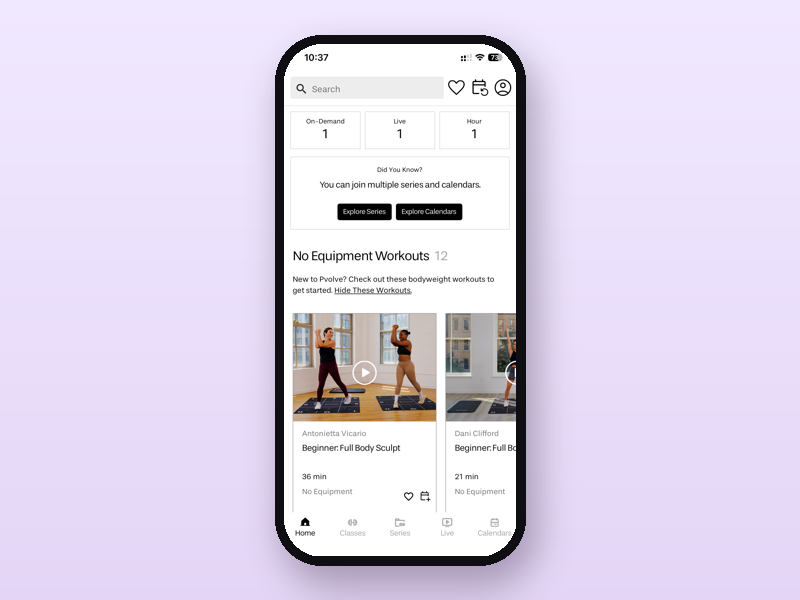
 VS
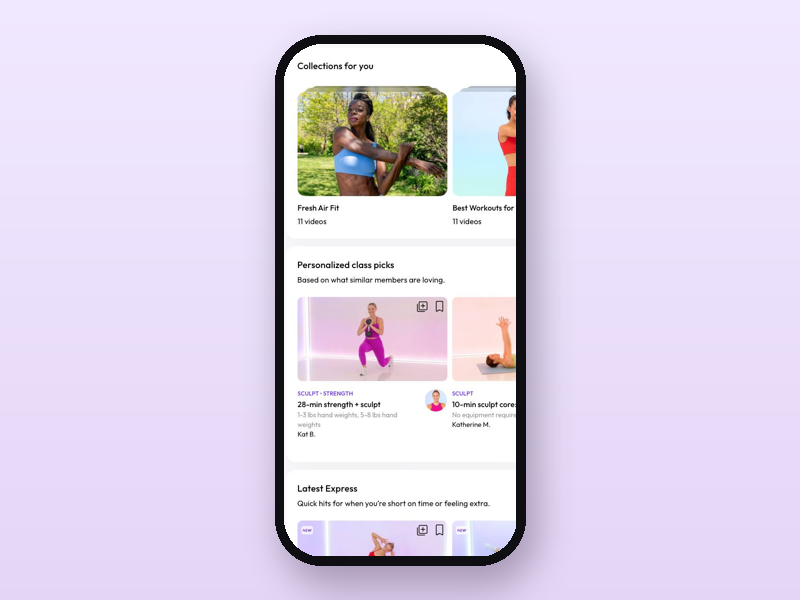 VS
All 73 written comparisons
Find your comparison
Each comparison is listed under both programs, so start with either one.

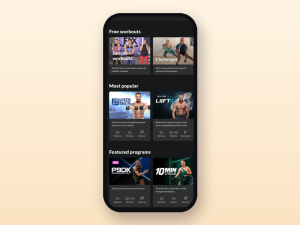
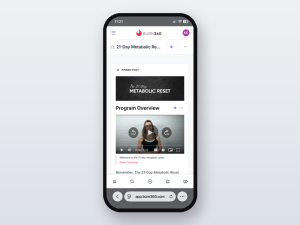
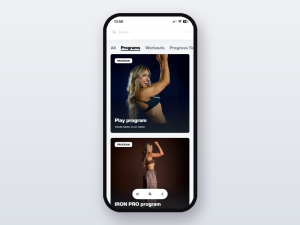
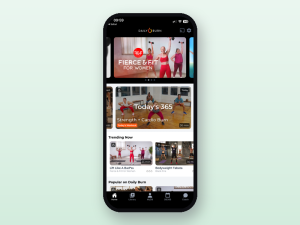




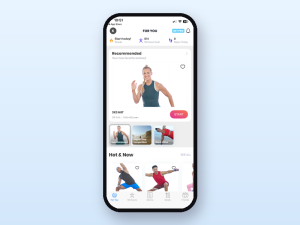
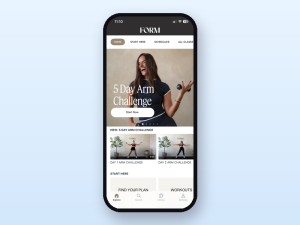



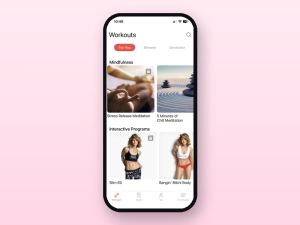
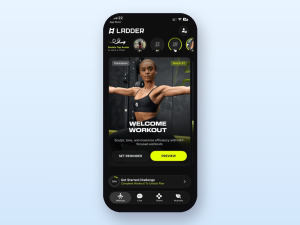
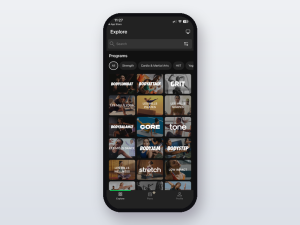
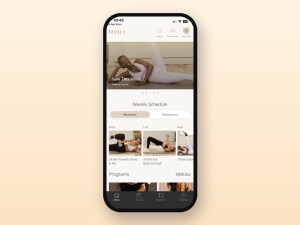
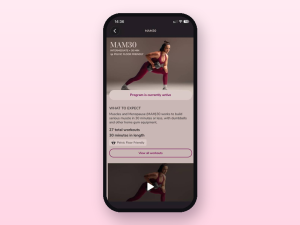
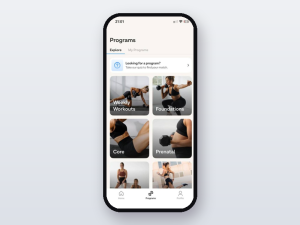

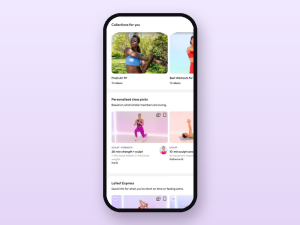

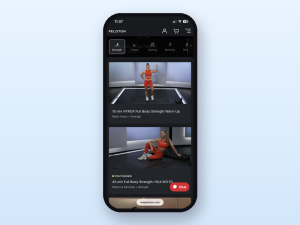
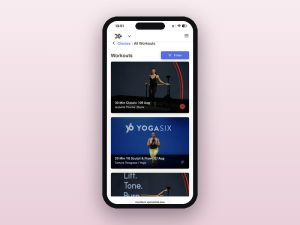
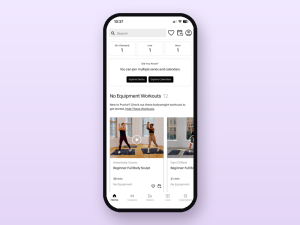
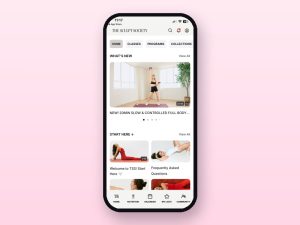

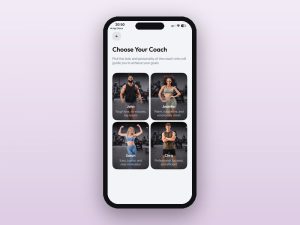

No written comparison for that program yet. Pick it in the tool at the top of the page to compare it on our data, or find it in the program library.
Our method
How we compare
Every head-to-head uses the same scoring, so you can trust the numbers side by side.
Same nine criteria
Every program is scored on the same weighted criteria, from muscle potential to nutrition, so two scores can be compared fairly.
Menopause fit, scored apart
A separate score built from twelve capabilities, so a program can be strong in general and still weak for midlife women.
Clear about how we know
Every program carries a label: fully tested, sample tested or researched from published sources.
Not sure which two to compare?
Filter all 105 programs by life stage, impact, session length and price, or start from one of our best-of lists.
FAQ
Frequently asked questions
How do you decide which program wins?
Each program is scored on the same nine weighted criteria, from muscle potential to nutrition integration. A comparison sets those scores side by side and says which program suits which kind of woman, not just which total is higher.
Can I compare two programs that do not have a comparison page?
Yes. Pick any two of the 105 programs we have scored and the page builds a side-by-side table from our data: the nine weighted categories, key facts and the menopause capabilities. Where we have written a full head-to-head, you also get a link to it.
How many fitness programs have you scored?
We have scored 105 programs. Of those, 26 are fully tested, 33 are sample tested, and 46 are researched data profiles built from published sources.
Can a program with a lower overall score still be the better choice for me?
Yes. The overall score is a weighted average of nine criteria, so two programs can land close together for very different reasons. If short sessions, joint-friendly training or nutrition guidance matter most to you, check those rows in the comparison. The program that wins on what you need can be the better pick, even with a lower total.
What is the difference between fully tested, sample tested and a data profile?
Fully tested means we used the program ourselves for at least four weeks. Sample tested means we tried one to three workouts, usually on a free trial. A data profile is researched from published sources without hands-on testing. Every program shows its label, so you know how each score was reached.
Which fitness program scores highest overall?
Pvolve, at 8.3 out of 10 across the nine weighted criteria. A high overall score does not make it the right pick for everyone, so compare it against the program you are considering on the categories that matter to you.
Which program scores highest for menopause fit?
Flipping 50, at 8.0 out of 10. Only 6 of the 105 programs we have scored reach 7 or higher on this measure.
What does the menopause fit score mean?
Menopause fit measures how well a program serves women in perimenopause, menopause and postmenopause. It is a composite of twelve capabilities and is scored separately from the overall score, so a program can be strong in general and weak for this audience.